What is Red Light Therapy?
Red light therapy, also known as photobiomodulation, uses specific wavelengths of red and near-infrared light to support your body at the cellular level. It's non-invasive, painless, and deeply relaxing.
How Does It Work?
Your cells contain mitochondria — the powerhouses responsible for producing ATP, your body's cellular energy currency. When mitochondria absorb specific wavelengths of red light (typically 630–670nm) and near-infrared light (810–850nm), they produce more ATP, reduce oxidative stress, and initiate cellular repair processes.
This interaction also supports collagen production, reduces inflammation, and helps cells recover from the cumulative toll of chronic stress. Think of it as giving your cells a non-invasive energy recharge — so they can do their jobs at full capacity instead of running on empty.
What Might You Experience?
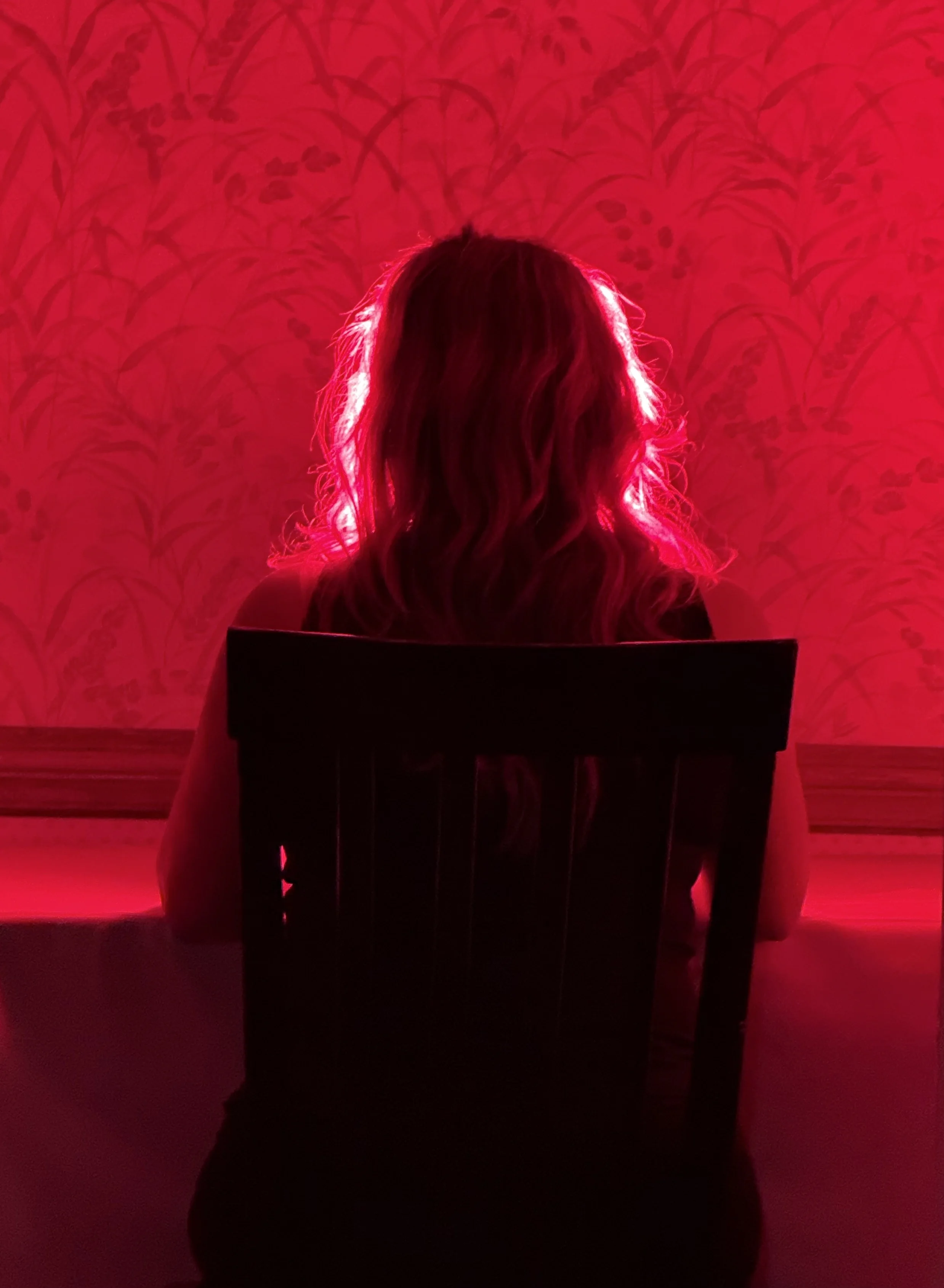
During a red light session, you'll simply relax while the light works. Many people feel warmth, a subtle sense of ease, and a gentle "lit up" quality. Over sessions, people often report improved mood, better sleep, reduced muscle tension, and a more consistent sense of energy throughout the day.
In the Wellness Circuit
Red light therapy is the second stop in your Wellness Circuit journey. After PEMF has supported electromagnetic balance and cellular voltage, red light goes deeper at the cellular energy level — building a compounding effect of calm and recovery.
Research & References
- Hamblin, M.R. (2017). "Mechanisms and applications of the anti-inflammatory effects of photobiomodulation." AIMS Biophysics, 4(3), 337–361.
- Ferraresi, C., Huang, Y.Y., & Hamblin, M.R. (2016). "Photobiomodulation in human muscle tissue: an advantage in sports performance?" Journal of Biophotonics, 9(11–12), 1273–1299.
- Avci, P. et al. (2013). "Low-level laser (light) therapy (LLLT) in skin: stimulating, healing, restoring." Seminars in Cutaneous Medicine and Surgery, 32(1), 41–52.